
There are fears that tough responsible gambling measures may limit the regulated market’s appeal.
Finland.- With Finland’s regulated online gambling market due to open next year, concerns continue to be raised over how attractive the licensed market will be for customers. While the industry has been raising concerns over Finland’s online gambling regulations since they were revealed, those fears are now being echoed in mainstream media.
Finland is preparing for the launch of the liberalised market in July 2027 under the Finnish Gambling Act, ending state-owned Veikkaus’ exclusive rights to offer online casino games and sports betting. The Helsinki Times published an op-ed this week suggesting that the country should be wary of Sweden’s example seven years after the country replaced its own gambling monopoly with an open licensing system.
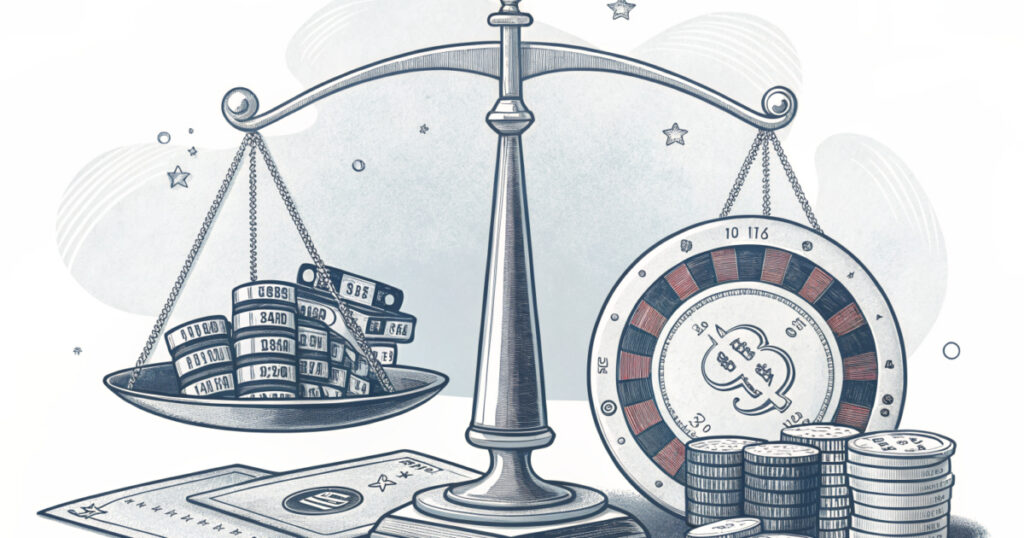
The paper raises the question of whether tough responsible gambling measures including restrictions on gambling marketing and bonuses will make licensed offerings attractive enough.
“If the regulated market becomes noticeably less attractive than offshore alternatives, will consumers simply migrate to operators outside the Finnish licensing system? Sweden’s experience suggests that this balance is difficult to achieve,” it says.
“The Swedish experience demonstrates that opening a gambling market is only the first step. A licensing system can improve transparency, create tax revenue and introduce stronger consumer safeguards. But maintaining a high channelisation rate requires more than issuing licences. Regulators must also ensure that licensed operators remain competitive enough for consumers to choose them over offshore alternatives.
“The objective is not simply to regulate gambling, but also to persuade players to remain within the regulated market, where authorities can enforce responsible gambling measures and consumer protections”.
Sweden introduced its regulated online casino market in 2019. The target was a channelisation of at least 90 per cent of gambling to licensed operators, but the Swedish gambling regulator Spelinspektionen has itself suggested that the target may have been overly ambitious.
Sweden’s licensing model was successful in creating competition. There are now around 100 active licences, giving consumers much greater choice, while the state has also introduced extensive responsible gambling requirements, including marketing rules and the Spelpaus self-exclusion platform.
However, keeping players away from unlicensed competition has turned out to be more difficult than expected. The Swedish online gambling association BOS regularly flags up the amount of Swedish gambling that takes place on unlicensed websites. Acting Secretary General Daniel Valiollahi has argued that Spelinspektionen has insufficient enforcement powers against operators based abroad.
Last year’s review led by Marcus Isgren proposed expanding the enforcement powers to allow orders to be issued to banks and payment service providers to block transactions to unlicensed gambling operators. Another proposal seeks to eliminate the requirement for unlicensed operators to be found to directly target Sweden through language, payment or marketing activities before enforcement can be carried out.
Este conteúdo foi curado e adaptado a partir da publicação original de Focus Gaming News.